

Selling a home can be a big step — and if your home has a Home Equity Line of Credit (HELOC) attached, you may wonder whether that complicates things. The short answer: yes — you can sell a house with a HELOC. But there are important details to understand so the sale goes smoothly, you get what you hope for, and you don’t end up with unexpected costs or liabilities. This guide will walk you through everything a homeowner in Marysville, CA needs to know about selling with a HELOC.
What Is a HELOC — and How Does It Work?
Definition: What Exactly Is a HELOC?
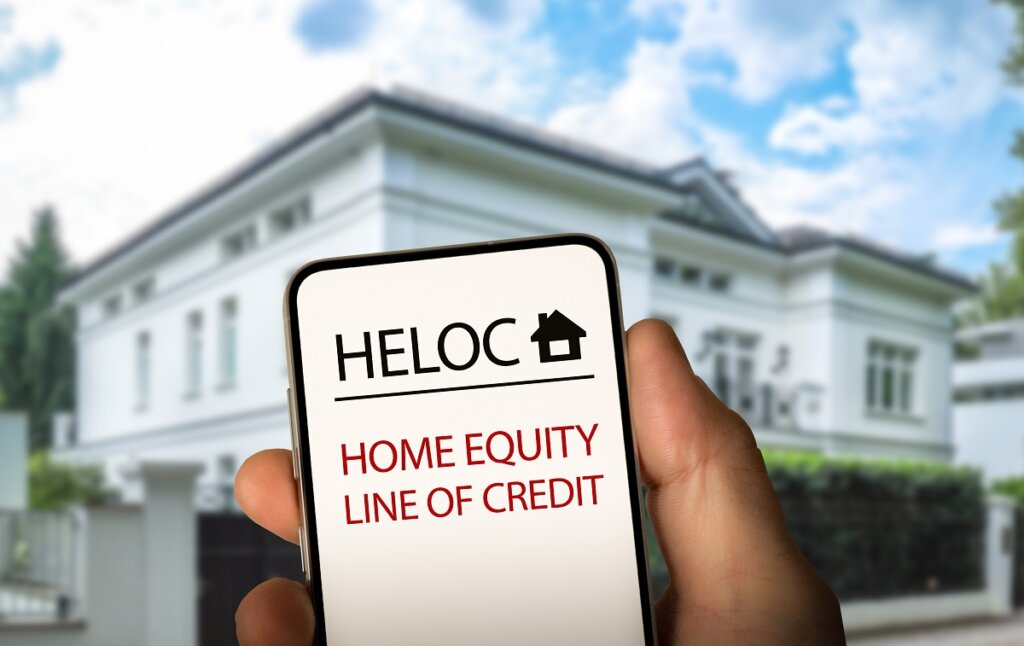
A HELOC (Home Equity Line of Credit) is a type of loan secured by your home. Think of it like a credit card, but backed by the equity in your property. You draw funds as needed — usually during a “draw period” — up to an approved credit limit. As you repay, the credit becomes available again. Unlike a traditional home equity loan (which gives you a lump sum), a HELOC provides flexibility and revolving access. You can read more about how HELOCs work and their benefits in detail at Investopedia’s HELOC Guide.
Why Homeowners Use a HELOC
Homeowners may take out a HELOC to:
- Finance home improvements or renovations
- Consolidate high-interest debt
- Cover unexpected expenses or emergencies
- Have a flexible credit cushion for future needs
Because it’s secured by your home equity, interest rates are often lower than unsecured loans (four19properties.com).
Is It Possible to Sell a House with a HELOC?
The Short Answer: Yes
You can sell your home even if a HELOC is active on the property. Having a HELOC does not prevent you from listing or selling the house (homelight.com).
Why It’s Possible: The Key Reason
Legally, the HELOC represents a lien (or a second mortgage) on your home. For the new buyer to get a “clear title,” all liens — including your primary mortgage and any HELOC — must be satisfied (i.e. paid off) before the deed transfers. This means selling with a HELOC is perfectly normal — as long as you handle the payoff properly (sofi.com).
What Happens to a HELOC During the Sale Process?
Here’s a typical process when you sell a house that has a HELOC:
- Listing & Contract — You list the home and find a buyer.
- Title Search — During closing, a title company or escrow agent reviews all outstanding liens, including the HELOC (home-eq.com).
- Payoff Request — The title company requests a payoff letter from the HELOC lender, indicating exactly how much is owed (sofi.com).
- Closing — Sale proceeds (what the buyer pays) are first used to satisfy the primary mortgage, then the HELOC (and any other liens). After those are cleared, any remaining funds go to you, the seller (sofi.com).
- Lien Release — Once HELOC is paid off, the lien is released, and the buyer receives a clean title (home-eq.com).
In short: you don’t “carry” the HELOC to the next owner. It’s paid off as part of the sale process. For more detailed information on what happens to the HELOC during the sale, check out SoFi’s Guide.
Steps to Take When Selling a House with a HELOC in Marysville, CA
If you plan to sell your home with a HELOC, here’s a practical step-by-step checklist to help you prepare and avoid pitfalls.
1. Check Your HELOC Balance & Terms
- Request the most recent statement from your HELOC lender.
- Get a payoff letter — this tells you exactly how much you owe, including any fees or interest up to the anticipated payoff date.
- Review your HELOC terms for any prepayment penalties or early-closure fees. Some lenders may charge fees if you close the HELOC early (flipsplit.com).
2. Estimate Your Home’s Market Value
- Research recent sales in Marysville, CA for homes similar to yours (size, condition, neighborhood).
- Consider hiring a real estate professional (agent or appraiser) to get a market valuation.
- Compare estimated sale price with what you owe (primary mortgage + HELOC) to gauge net proceeds.
3. Calculate Potential Proceeds — Simple Table
Here’s a simple scenario to illustrate:
| Sale Price | Primary Mortgage Balance | HELOC Balance | Total Debt to Clear | Estimated Net Proceeds* |
|---|---|---|---|---|
| $325,000 | $200,000 | $40,000 | $240,000 | ≈ $85,000 |
* Does not include closing costs, realtor fees, taxes, or other expenses.
This example shows that if your sale price comfortably exceeds total debt, you should walk away with funds after payoff.
4. Contact Your Lender and Closing / Title Company Early
- Inform your HELOC lender that you plan to sell — request the payoff letter.
- Communicate with your escrow/title company so they know there’s a HELOC lien to clear at closing.
- Confirm that the sale proceeds will first go to pay off loans, then release lien, then deliver remaining funds to you.
5. Prepare for Closing
- Make sure any other liens, taxes, or obligations are also addressed.
- If sale proceeds might not cover everything, decide if you can bring extra funds to closing (cash-out) or need alternatives (see below).
- Ensure that once the HELOC is paid, the lender provides lien release / satisfaction documentation.
- Learn more about closing costs when selling a home, including typical fees and what to expect during this final step of the process.
Potential Challenges & Pitfalls to Watch Out For
Selling a house with a HELOC is common — but it’s not always problem-free. Here are some of the key challenges homeowners should be aware of.
Insufficient Sale Proceeds / Negative Equity Scenario
If your home’s market value has dropped, or if the combined debt (mortgage + HELOC) is near or above the likely sale price, the proceeds might not cover everything — including closing costs, realtor fees, and lien payoffs. In that case:
- You may need to bring extra cash to closing to cover the difference.
- Or consider alternatives such as a short sale, which requires the lender’s agreement (bankrate.com).
Prepayment Penalties or Fees
Some HELOCs may include clauses for early closure or prepayment penalties. These fees could reduce the net proceeds you expect to receive. Check your HELOC agreement carefully and confirm with your lender before proceeding (flipsplit.com).
Timing and Closing Delays
Because there’s an extra lien to clear, the closing process may involve extra paperwork, communication with the HELOC lender, and waiting for payoff and lien release. If anything is delayed — payoff letter, funds transfer, lien release — closing could get delayed or complicated.
Make sure to coordinate early with your lender, escrow agent, and title company.
Impact on Buyer (Perception / Offers)
Some buyers or their lenders may view a property with a HELOC as slightly more complicated — especially if they see high outstanding balances. That can sometimes affect perceived risk or financing terms.
Being transparent about the HELOC and showing it will be cleared at closing helps mitigate this.
What If You’re Behind on HELOC Payments or Facing Financial Pressure?
Life happens: maybe you’ve missed a few payments, or you’re under pressure to sell soon. Here’s what you should know:
- A HELOC in delinquency is still a lien on the property. It must be paid before the sale can close (sofi.com).
- You may be at risk if the sale proceeds won’t cover the balance — you might need to cover the shortfall yourself or negotiate with the lender.
- In some cases, you might explore alternatives such as short sale, or selling to a “cash buyer” who handles complicated situations — though this depends on lender cooperation and buyer willingness (zenhomesinvestments.com).
- Be sure to factor in additional costs (late fees, penalties) when calculating what you owe.
Why Selling a Home with a HELOC Might Make Sense (Even If You Have Debt)
Selling a house with a HELOC isn’t necessarily a bad thing — in several cases, it can be advantageous.
Fast Debt Relief & Clean Slate
Selling allows you to pay off both your primary mortgage and the HELOC in one transaction. If you use your home equity to cover debts, consolidations, or emergencies, selling can wipe the slate clean.
You walk away with any remaining equity — potentially useful for downsizing, relocating, or investing elsewhere.
Avoid Long‑Term Risk or Variable Rates
HELOCs often have variable interest rates — if markets shift or rates rise, your payment or interest costs may increase. By selling and paying off the HELOC, you avoid future interest rate risk.
Simpler Than Refinancing
Refinancing a HELOC might require income verification, good credit, and approvals. Selling avoids all that by closing out the debt entirely.
Flexibility & Fresh Start
Selling with a HELOC lets homeowners relocate, downsize, or change financial strategy — without carrying over old debts.
Important Considerations Specific to Marysville, CA (or General California Context)
While the rules around HELOCs and sales are largely the same nationwide, there are a few local or state-level factors to keep in mind (or research further) when selling in Marysville, CA:
- Market Value & Local Real Estate Trends: The success of a sale depends heavily on whether homes in your area are selling at good prices. Before listing, research recent comparable sales in Marysville to ensure your price expectation is realistic.
- Closing Costs & Fees: California sellers often face various closing costs — including escrow fees, title fees, transfer taxes, realtor commissions, etc. These will reduce your net proceeds.
- Lien Laws & Disclosure Rules: California has strict laws about disclosing outstanding liens and debts. Full transparency during sale is essential to avoid legal issues.
- Lender & Title Company Experience: Choose a title company or escrow agent familiar with HELOC closings — this helps avoid delays or complications.
Alternatives if Sale Proceeds Won’t Cover HELOC + Mortgage
If you discover that your home value is too low or total debt is too high, here are possible alternatives to a standard sale:
| Option | Description | Pros | Cons |
|---|---|---|---|
| Bring Cash to Closing | You personally cover the shortfall so liens are paid | You can close the sale normally | Requires you to have extra funds |
| Short Sale (with Lender Approval) | Sell for less than owed, lender accepts less than full debt | Avoid foreclosure, get rid of burdensome loan | Lender may refuse; impact on credit; requires negotiation |
| Private Sale to Cash Buyer / Investor | Sell to buyers who purchase “as is,” regardless of liens/debts | Fast, fewer complications or repairs needed | Likely lower sale price; may still need lender cooperation |
| Wait / Refinance / Pay Down Debt | Hold off sale until equity increases or you pay down debt | Could increase net proceeds or make sale smoother | Requires time, market risk, and possibly additional payments |
Note: The feasibility of these alternatives depends on your specific situation, lender policies, and property value.
Summary: What It Means for Homeowners in Marysville, CA
- A HELOC does not prevent you from selling your house (homelight.com).
- At closing, the HELOC (along with any other liens) must be paid off before the property transfers to the buyer (bankrate.com).
- If the sale proceeds cover your primary mortgage + HELOC + other closing costs, you walk away with the remainder.
- If the proceeds are insufficient, you may need extra cash, or consider alternatives like a short sale or selling to a cash buyer.
- Proper planning — checking balances, obtaining a payoff letter, coordinating with lender and title company — is crucial to avoid surprises.
In many cases, selling with a HELOC can provide debt relief, flexibility, and a fresh start — especially if home values are favorable and you handle the payoff correctly.
Frequently Asked Questions (FAQs)
Q. Can I sell my house if I still owe money on my HELOC?
Yes. Having an outstanding balance on a HELOC doesn’t stop you from selling. But the HELOC must be paid off (along with any other liens) before the sale closes (homelight.com).
Q. Will I walk away with less money if I have a HELOC?
Possibly — it depends on the sale price compared to your total debt (primary mortgage + HELOC) and closing costs. The HELOC balance will be deducted from the proceeds (sofi.com).
Q. What if the house doesn’t sell for enough to cover both mortgage and HELOC?
You might need to bring extra funds to closing, or negotiate a short sale with your lender (if they agree) (bankrate.com).
Q. Are there penalties for paying off a HELOC early when selling?
Some HELOC agreements include prepayment penalties or account‑closure fees. It’s important to check your loan terms before selling (flipsplit.com).
Q. Do I need to tell the buyer I have a HELOC?
Yes — during closing the title/escrow company will uncover the existing lien. Full disclosure helps prevent delays or legal issues.
Final Thoughts
Selling a house in Marysville, CA when you have a HELOC is not only possible — it’s a common scenario. The presence of a HELOC simply adds a step: you must pay off that line of credit, along with any other liens, before the property can transfer.
With careful planning — checking balances, getting a payoff letter, coordinating with the lender and title company, and realistically pricing your home — you can successfully sell and walk away with net proceeds. For homeowners carrying debt, or those looking to relocate or downsize, selling can offer a fresh start and the relief of clearing obligations.
If you decide to go forward, treat the HELOC like any other debt attached to your home: factor it into your calculations, be transparent, and plan for payoff at closing. With the right preparation, selling your home with a HELOC can be smooth — and financially responsible.
At Norcal Home Offer, we are here to guide you through the process of selling your home, even if you have a HELOC. Our team can help you navigate the complexities, ensuring a smooth transaction and the best possible outcome for you. Reach out to us today to get started!