

Owning a vacant house might feel like a temporary solution — but over time, an empty property can turn into a liability rather than an asset. If you have a vacant home in Rocklin, CA, leaving it empty for too long can expose you to security issues, maintenance costs, and even legal risks. On the other hand, selling a vacant house — especially to a motivated buyer or investor — can save you time, money, and stress.
In this guide, we’ll walk you through:
- The dangers of leaving your house vacant.
- Why selling quickly might be smarter than waiting.
- A practical, step‑by‑step approach to selling a vacant house in Rocklin.
- The pros and cons of selling “as‑is” vs. making repairs — and how to choose what works for you.
- Tips to avoid pitfalls, get a fair price, and complete the sale smoothly.
Let’s dive in.
Why Leaving a Property Vacant Is Risky: The Hidden Costs & Hazards
Physical Deterioration and “Silent Decay”
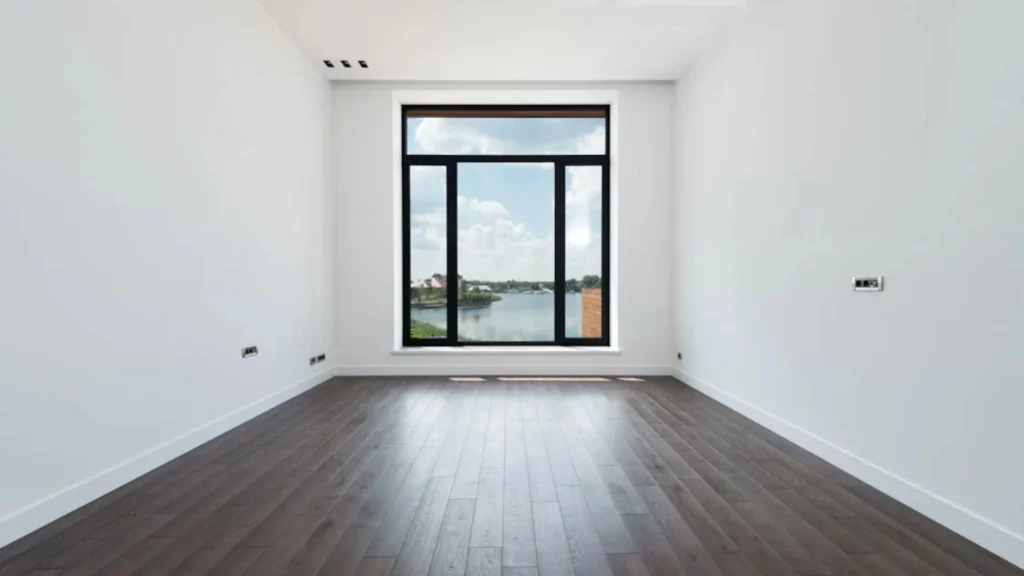
When a home sits unoccupied, it doesn’t stay frozen in time. Without routine upkeep and regular habitation, even a well‑built house can begin to deteriorate.
Some common problems include:
- HVAC systems, plumbing, or electrical components may degrade without regular use or maintenance.
- Water leaks, roof damage, or moisture intrusion — without regular oversight, small leaks can go unnoticed until they cause mold, structural damage, or other major problems.
- Overall wear‑and‑tear: materials degrade, paint peels, fixtures rust — a home left empty often looks and feels much older than a home regularly maintained.
Thus, every month a house remains vacant is another month for hidden damage to accumulate — often unseen until you (or a buyer) open the door months or years later.
Security Risks: Vandalism, Squatters, Theft
Vacant homes are easy targets. Lack of occupancy and oversight makes them vulnerable to trespassers, squatters, vandals — or simply opportunistic thieves.
Once a home is compromised, costs and complications quickly escalate. Broken windows, graffiti, stolen fixtures, unauthorized occupation — these issues often come with legal headaches, repair costs, and delays in eventual sale.
Insurance and Liability Problems
Many standard homeowners insurance policies either limit or exclude coverage for homes left vacant for extended periods.
That means if something goes wrong — fire, vandalism, storm damage — you might find yourself uncovered. Worse: you may still be liable for damages, especially if squatters or trespassers are involved, or if the property violates local housing or code regulations.
Holding Costs — Taxes, Maintenance, Utilities, Insurance
Even if no one’s living there, an empty property still costs money. Property taxes, basic utilities, security, occasional maintenance (lawn care, pest control, etc.), insurance premiums — these all add up over time.
Vacant homes often drain resources quickly, leaving owners with mounting expenses. As the property sits empty, the longer you wait to sell, the more you will end up spending. The real costs of holding onto a vacant home can quietly accumulate, making it more difficult to recover your initial investment.
Risk of Value Decline & Difficulty in Sale
As a vacant property deteriorates (visibly or invisibly), the perceived — and actual — value decreases.
Moreover, many buyers overlook vacant homes, especially if they suspect issues or needed repairs. That means when you finally list, you might attract fewer buyers, or you may receive lower offers — especially if the home appears dilapidated or raises red flags.
Given these risks, selling a vacant house sooner rather than later often makes more sense — especially in a stable or active housing market like Rocklin, CA.
How to Sell a Vacant House in Rocklin, CA — Step-by-Step Guide
Selling a vacant house isn’t always straightforward, but with a clear plan you can streamline the process, minimize hassle, and maximize return. Here’s a practical roadmap:
Step 1: Evaluate the Property’s Condition — What Needs Work?
Before you list:
- Inspect major systems — plumbing, electrical, HVAC, roofing, sprinklers, etc. Identify any obvious issues (leaks, outdated systems, mold, pests, structural concerns, etc.).
- Check for hidden damages — aged wiring, dry‑rot, water stains, HVAC problems, potential asbestos/lead (especially in older homes).
- Estimate costs — get a rough idea of what it would take to repair or refresh the house, versus selling “as‑is.”
This evaluation helps you make an informed decision: fix and list, or sell “as‑is.”
Step 2: Understand California’s “As-Is” Sale Rules & Disclosure Requirements
If you decide to sell without repairs (as-is), it is possible — but California requires you to disclose known defects.
Important points to remember:
- “As‑is” does NOT release you from disclosure obligations. You must inform buyers of known material facts (structural issues, mold, hazards, code violations, environmental risks, etc.).
- Use proper paperwork and contract addenda, indicating you’re selling in its current condition.
Failing to disclose can result in legal liability later — so transparency is key.
Learn about California’s disclosure requirements for residential real estate, check out this guide on Nolo.
Step 3: Decide — Sell “As-Is” to an Investor / Cash Buyer vs. Prepare & List Traditionally
| Option | When It Makes Sense |
|---|---|
| Sell “As‑Is” to Cash Buyer / Investor | If the house needs significant repair, you don’t want to invest time/money, or you need to sell quickly. Cash buyers often close fast, buy “as-is,” and handle repairs themselves. |
| Do Repairs + List on Market (Traditional Listing) | If the house condition is decent, market value is good, and you can spend some resources to get a better sale price. Also useful if you have time and want maximum return. |
Why many owners of vacant homes choose “as‑is” / cash buyer route:
- Faster closing — often in days or a few weeks instead of months.
- No need to hire contractors, manage repairs, or monitor maintenance.
- Avoid ongoing carrying costs (taxes, utilities, security, maintenance).
That said, going “as‑is” usually means accepting a lower sale price — because investors factor in repair costs and risk.
Step 4: Price Realistically and Market Strategically
Whether you fix up the property or not, pricing and marketing matter a lot.
- If selling as-is: set a competitive price reflecting the condition. Investors expect a discount, but transparent pricing can still attract multiple offers.
- If listing traditionally: do comparative market analysis — check recent sales in Rocklin, similar houses, and factor in upgrades/repairs you did.
- In either case: market with honest descriptions and clear, high-quality photos (including damage or needed repairs, if selling as-is). Overpromising and under-delivering can lead to buyer distrust or deal collapse.
- Consider working with an experienced agent familiar with as-is sales or vacant properties — or contact cash buyers / investors who specialize in such deals.
Step 5: Prepare Necessary Paperwork & Disclosures
In California (and thus Rocklin), selling as-is still requires full disclosure of known defects.
Important steps:
- Complete the mandated disclosure forms (e.g. Real Estate Transfer Disclosure Statement, Natural Hazard Disclosure, etc.).
- Add an “as‑is” addendum to your sales contract (or ensure contract explicitly notes the sale is in present condition).
- Be ready for buyer inspections — many cash buyers or investors will request an inspection (even with as-is deals). While repairs aren’t required, the results may influence the offer price.
Step 6: Close the Sale — Fast or Traditional, Based on Buyer Type
- Cash buyers / investors: Often close in a short time frame (some as quickly as 7‑14 days) because they don’t depend on mortgage financing and usually accept homes as-is.
- Traditional buyers (with financing): Closing may take weeks — inspections, appraisal, loan processing, and possibly repair negotiations.
For a vacant home where time and risk matter, a cash buyer often offers the fastest and least-hassle path.
Pros and Cons of Selling a Vacant House As-Is — Is It Right for You?
Here’s a breakdown of major advantages and disadvantages of selling a vacant house “as-is” in Rocklin / California.
Pros
- Speed: Quick closing, no waiting for repairs or financing delays.
- Convenience: No need to manage repairs, maintenance, or ongoing costs (utilities, security, property tax).
- Certainty: Once sold, you’re free from future maintenance, insurance, and liability risks associated with a vacant/neglected house.
- Flexibility: Cash buyers are often more flexible — willing to purchase properties with defects, older houses, or fixer‑uppers.
Cons
- Lower Sale Price: Because buyers account for repair costs and risk, offers are typically below full market value.
- Disclosure Requirement: You can’t hide defects — you must disclose known issues even with “as-is” sales. Failure to do so can lead to legal consequences.
- Smaller Buyer Pool: Many traditional buyers prefer move-in-ready homes; selling as-is attracts mostly investors or cash buyers.
- Perceived Risk: Buyers may worry about unknown problems — mold, structural issues, environmental hazards — which can delay sale or reduce offers.
What Selling a Vacant House Means for You: Benefits Beyond the Sale
Selling a vacant house — especially under the right conditions — can offer more than just cash. Here’s what you stand to gain when you act proactively:
Financial Relief / Cash Flow
Vacant homes drain resources: property taxes, insurance, maintenance, utilities, security. Selling stops the drain and puts cash in your pocket — ideal if you don’t plan to return or hold the property.
It can also free up equity — useful for reinvestment, paying off debts, or pursuing other opportunities.
Risk Mitigation and Peace of Mind
By transferring ownership, you pass on the risks of deterioration, vandalism, or liability. You no longer have to worry about whether a leak, a squatter, or a natural hazard will cost you thousands down the road.
Simplified Process & Less Stress
No more coordinating repairs, paying contractors, maintaining systems, or managing upkeep — especially when you’re far away, busy, or simply done with property management.
For busy homeowners, heirs, renters, or owners relocating out of state, a quick sale can make life simpler.
Common Mistakes to Avoid When Selling a Vacant House
Selling a vacant house — even to a cash buyer — is not without pitfalls. Here are some common mistakes homeowners make, and how to avoid them:
- Under‑estimating the importance of disclosures: Listing “as-is” doesn’t remove your responsibility to reveal known defects. Skipping this step can lead to lawsuits later.
- Overpricing the property: Asking too much for a house in poor condition will scare off buyers. Be realistic and honest with pricing.
- Ignoring cleaning or basic maintenance: Even if you don’t repair major issues — basic cleanup, securing the home, removing trash or hazards — can make a big difference in buyer perception.
- Trying to sell alone without research: Not all cash buyers are equal; working with inexperienced or unscrupulous “investors” can lead to wasted time, lowball offers, or even scams.
- Delaying sale due to false hope: Many homeowners wait, thinking values will rise — but carrying costs, deterioration, and risks often outweigh waiting benefits.
Frequently Asked Questions (FAQs)
Q. How long does it take to sell a vacant house in Rocklin, CA?
If you sell to a cash buyer or investor, the process can complete in as little as 7–14 days once you accept an offer.
With a traditional buyer (financing, inspections, repairs), the timeline could range from 30 to 60 days — potentially longer if repairs or contingencies are involved.
Q. Can I really sell a house in poor condition / with defects in California?
Yes — selling a house “as-is” is legally possible in California. You can sell even if the property needs repairs, as long as you disclose known defects and follow required disclosure laws.
Many investors and cash buyers specialize in purchasing such properties.
Q. Will selling as-is give me fair value for my house?
You likely won’t get full market value, because buyers compensate for risks and repair costs. But if speed, convenience, and minimizing hassle are priorities, an as-is sale to a cash buyer often provides a reasonable, fair offer — especially compared to holding a house vacant indefinitely.
Q. What are my disclosure obligations if I sell the house as-is?
You must disclose any known significant issues: structural defects, mold, environmental hazards, plumbing / electrical problems, lead paint/asbestos (if present), natural‑hazard zone risks, etc. Transparency is key to avoid liability.
Q. Should I try to fix up the house before selling, even if I plan to sell fast?
It depends on the degree of repair needed and your financial/time resources:
- If the needed repairs are minor or cosmetic, doing them may increase the sale price and attract more buyers.
- But if the house needs major repairs (structural, plumbing, roof, major systems), you might opt for as‑is sale — especially if you don’t want to invest more money or wait months.
That said, a basic cleanup and securing the property (e.g. locking doors/windows, clearing debris) helps signal a “serious” sale and avoids scaring off potential buyers.
Conclusion: Act Sooner Rather Than Later — The Smart Move for Vacant Homes
Vacant homes can seem harmless, but time is rarely on the homeowner’s side. Between unseen damage, security risks, carrying costs, and potential legal/insurance issues, a house left empty often eats away at its own value — and your peace of mind.
Selling a vacant house in Rocklin, CA — especially through Norcal Home Offer — offers a way out. You gain liquidity, avoid stress, and eliminate future liabilities. Even if the sale price is below “perfect market value,” the trade‑off for speed, convenience, and certainty often makes sense.
If you’re sitting on a vacant property: evaluate your condition, decide whether an “as-is” sale fits your needs, and take action. The longer you wait, the more risk and cost you carry — and the less likely you are to get a good return in the end.