

Selling a home can be a big decision — and it becomes more complex when you have a home equity loan (or a second mortgage) attached to your property. If you’re living in Yuba City, CA, and you’re thinking about putting your house on the market, it’s absolutely possible to sell even with a home equity loan. But you’ll need to carefully understand the process, know what to expect at closing, and plan your finances accordingly.
This guide explains what a home equity loan is, how having one affects the sale, what steps you must take, and what to watch out for to avoid surprises. Think of it as a complete roadmap — from checking your loan balance to getting a clean title transferred to the buyer.
What Is a Home Equity Loan?
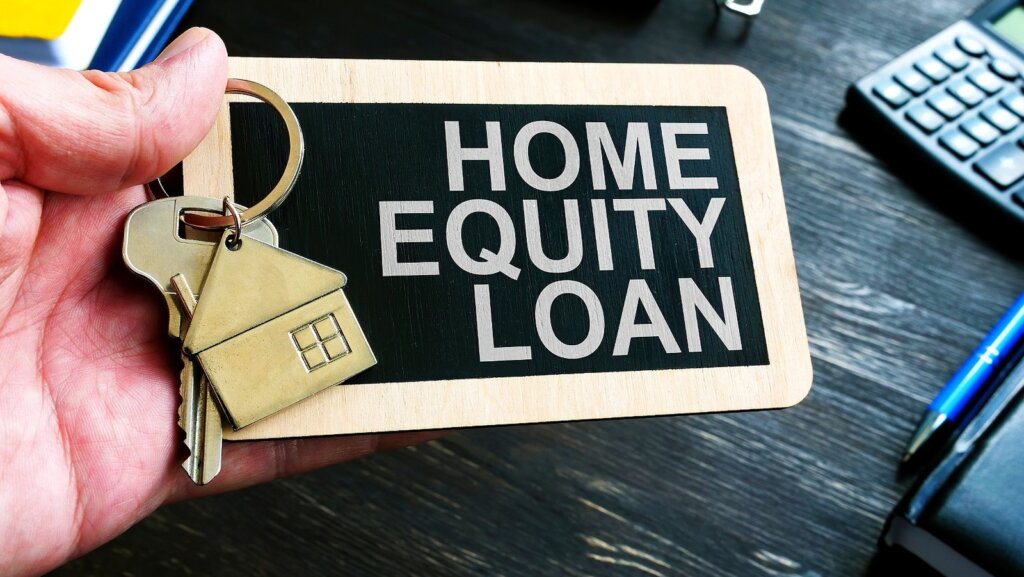
A home equity loan (sometimes combined or confused with a home equity line of credit, or HELOC) is a loan secured by the equity you have built in your home. Equity is the difference between your home’s current market value and what you owe on your mortgage.
- If your home’s value is — for example — $350,000, and your outstanding mortgage balance is $200,000, your equity is $150,000.
- A home equity loan lets you borrow a lump sum (or draw from a credit line, in case of HELOC) based on that equity. Your home serves as collateral — meaning the lender has a lien on the property title.
- You repay the loan over time, usually via monthly payments (for a fixed-term equity loan) or by making interest-only or variable payments (for a HELOC).
Because the home equity loan is a second mortgage or junior lien, it doesn’t prevent you from selling — but it adds extra steps to ensure all liens are cleared before transferring the title. Learn more about home equity loans with Investopedia’s detailed guide.
Can You Sell a House with a Home Equity Loan?
Yes — you can. Having a home equity loan (or HELOC) does not automatically disqualify you from selling your home.
However, there are important considerations:
- Upon sale, all debt secured by the home — including the first mortgage and the home equity loan — must be paid off.
- If sale proceeds are insufficient to cover both loans (plus any closing costs), you may end up owing money out of pocket — unless a lender agrees to a short sale.
- Some home equity loans or HELOCs may carry prepayment penalties or other fees when paid off early (i.e. at sale).
In short: yes — but you need to plan ahead.
Key Considerations Before Listing Your House
Before you list a home with a home equity loan in Yuba City (or anywhere in California), take time to get clarity on a few crucial points:
- Loan balances: Get exact payoff statements from both your primary mortgage lender and your home equity loan lender. These statements should include principal, accrued interest, and any early‑payoff fees or lien‑release costs.
- Home value: Get a realistic appraisal or comparative market analysis to know what your home could sell for. This gives you a baseline to compare against your loan balances.
- Total debt vs sale price: Add up your first mortgage balance, home equity loan balance, closing costs, and any selling expenses (repairs, agent commissions, etc.). Compare that sum with expected sale price to estimate potential net proceeds.
- Potential negative equity / underwater scenarios: If your combined debts exceed the likely sale price, selling may require covering the gap yourself — or negotiating a short sale with the lender.
- Prepayment penalties or lien‑release fees: Some equity loans or HELOCs may penalize early repayment, or require fees to release the lien. Factor those into your cost calculations.
- Time & coordination with lenders and escrow/title company: More liens mean more parties involved — ensure communication and timing are handled properly to avoid delays at closing.
If, after this assessment, the sale likely leaves you in a loss (or minimal profit), you might consider alternatives: pay down some debt before listing, wait for market appreciation, or explore short‑sale options.
Step‑by‑Step Guide to Selling a House with a Home Equity Loan
Here’s a systematic workflow to follow if you decide to sell your home in Yuba City while you have a home equity loan:
1. Request Payoff Statements
- Contact both your primary mortgage lender and your home equity loan (or HELOC) lender.
- Request updated payoff statements — with a specific “good through” date (ideally, close to when you expect to close on the sale). These statements should include principal, accrued interest, any prepayment penalties, and lien‑release fees.
- Also gather all loan documents, including the equity‑loan agreement, for your real estate agent and escrow/title company to review.
2. Determine Fair Market Value of Your Home
- Get a professional appraisal or ask a real estate agent to perform a Comparative Market Analysis (CMA).
- Compare with recent sales of similar homes in Yuba City (or neighborhood) — condition, size, upgrades, etc.
- This helps you anticipate a realistic sale price and whether proceeds can cover debts. If you choose to have a professional appraisal done, an appraiser will assess your home’s condition, compare it to recently sold homes in your area, and factor in other relevant market conditions to determine its value. To learn more about how the home appraisal process works, check out this detailed guide on What Is a Home Appraisal?.
3. Calculate Your Equity / Net Proceeds
Use a simple formula:
Expected Sale Price – First Mortgage Payoff – Home Equity Loan / HELOC Payoff – Estimated Closing Costs & Selling Expenses = Estimated Net Proceeds to You
| Example | Amount (USD) |
|---|---|
| Expected Sale Price | $400,000 |
| First Mortgage Balance | – $220,000 |
| Home Equity Loan Balance | – $50,000 |
| Closing Costs & Selling Expenses (e.g. 6%) | – $24,000 |
| Estimated Net Proceeds | ≈ $106,000 |
If the result is positive and acceptable to you — great. If it’s near zero or negative, you must reconsider your plan.
4. Choose a Real Estate Agent (or Selling Option)
- Engage with a real estate agent experienced in handling sales involving multiple liens (first mortgage + second mortgage / HELOC).
- Alternatively, consider selling “for cash” or off‑market if you need speed and simplicity — but ensure all liens will be settled at closing.
5. Disclose the Loans Early & Provide Lien Information
- Disclose to prospective buyers (and their agents) that the property has a second loan. This sets the right expectations.
- Provide the payoff statements to the escrow or title company so they can coordinate lien releases.
6. Accept an Offer & Open Escrow / Title Process
- Once you accept an offer, open escrow.
- The title company will typically coordinate with both lenders to pay off the first mortgage first, then the home equity loan / HELOC, and remove all liens — before the title transfers to the new buyer.
7. Review Closing Numbers / Settlement Statement
- Ensure the settlement statement (HUD‑1 or Closing Disclosure) reflects correct payoff amounts for both loans, any lender fees or lien‑release costs, and closing costs.
- Confirm the “Excess” or net proceeds amount — what you will walk away with. If negative — meaning sale proceeds don’t cover debts — be prepared to cover the shortfall or negotiate alternate solutions (e.g. short sale).
8. Complete the Sale & Get Lien Releases / Documentation
- Once funds are disbursed, the title company will record lien release(s) with the county (Yuba County Recorder’s Office in your case).
- Request written confirmation that all liens (mortgage + equity loan) are released and the HELOC account is closed.
- Keep all closing documents, payoff statements and lien‑release confirmations for your records and tax purposes.
Things to Consider (Challenges & Risks)
Selling a home with a home equity loan is often straightforward — but there are several pitfalls to watch out for:
Negative Equity / Underwater Risk
If the combined balance of your mortgage + equity loan / HELOC exceeds what the house sells for, you may end up with no proceeds or even owe money after sale. This is especially common if home prices have dropped, or you took a large equity loan.
In that case, options include:
- Paying the difference out of pocket; or
- Negotiating a short sale if your lenders agree (less likely for second liens / HELOCs, but still possible).
Prepayment Penalties or Lien‑Release Fees
Some equity loans / HELOCs impose prepayment penalties or fees for early payoff, or require fees to release the lien — so review your loan agreement carefully and include these costs in your net proceeds calculations.
Closing Coordination & Timing
Because there are multiple loans/credit lines involved, the closing process requires good coordination among lenders, title company, escrow agent, and buyer. Delays may occur if payoff statements are late or miscalculated.
Potential Tax or Financial Implications
- If you originally used the home equity loan cash-out for purposes other than home improvements, interest may not be tax‑deductible (or may have complex implications).
- If you profit from the sale, you may have capital gains tax liability (depending on how long you lived there, your filing status, IRS exemptions, etc).
Emotional Stress & Financial Pressure
Selling a home — especially under financial pressure (e.g. needing cash, avoiding foreclosure, relocating) — can be a stressful process. When an equity loan is involved, knowing exactly what you owe and how much you’ll get after sale becomes crucial for mental peace as well as financial soundness.
Advantages of Selling with a Home Equity Loan
Despite the complexities, there are some benefits to selling a house even with a home equity loan:
- You don’t have to pay off the loan before starting the sale. The sale proceeds can (and typically will) pay off both the primary mortgage and the home equity loan / HELOC at closing.
- It can provide quicker access to funds — especially if you’re motivated to sell fast (e.g. job relocation, financial hardship, retirement, downsizing).
- Debt clearance and clean title for buyer — once sale closes and liens are released, buyer gets a clear title; you get debt-free (on that property) immediately.
- Potential credit‑score benefit — paying off a second mortgage / equity loan can improve your overall debt-to-income ratio and credit profile.
What to Do If You Have Negative or Low Equity
If your calculations show that you owe more than what you expect to get from the sale, consider the following strategies:
| Strategy | Description / Considerations |
|---|---|
| Wait and Pay Down Debt | Continue making payments (on mortgage + equity loan) until principal is reduced and home value stabilises or increases. |
| Make Repairs or Improvements (If Feasible) | If the property condition is hurting its value, invest in cost-effective repairs with high ROI (e.g. cosmetic updates) — but only if you expect sale proceeds to cover debt + costs. |
| Short Sale Negotiation | Ask lenders if they’ll accept less than owed. Less likely with second loans/HELOCs, but worth exploring — though expect a lengthy approval process and possible credit impact. |
| Bring Cash to Closing | If you’ve savings or other funds, you could pay the shortfall at closing to obtain a clear title. |
| Delay Sale / Watch Market Conditions | Sometimes, waiting for a market upswing (higher housing prices in Yuba City area) may increase your sale price and give you positive equity. |
Each option has pros and cons — discuss with a trusted real estate professional or financial advisor.
Learn more about how real-estate short sales work by checking out Investopedia’s detailed guide on What Is a Short Sale on a House.
Working with Lenders & Escrow / Title Company — What You Must Know
If you decide to sell, coordination is critical:
- Notify both your first‑mortgage servicer and home equity loan/HELOC lender as soon as you decide to list. Lenders need enough time to prepare payoff statements and lien‑release documentation.
- Provide all necessary loan documents to your real estate agent and the title/escrow company.
- Ensure the title company will handle the sequential payoff: primary mortgage first, equity loan/HELOC next, lien release filings, and then disbursement of remaining proceeds to you.
- At closing, carefully review the Closing Disclosure / Settlement Statement — confirm payoff amounts, lien‑release fees, closing costs, and your net proceeds.
- After closing, make sure the title company records lien‑release documents with the county recorder, and get a written confirmation that the account is closed and the lien removed.
Taking these steps reduces risk of post-sale issues and ensures a clean title transfer to the buyer.
Frequently Asked Questions (FAQs)
Q: Can I sell my home if I owe more than it’s worth (negative equity)?
A: Yes — but you’ll need to decide how to cover the shortfall (cash, loan payoff, or negotiate a short sale). Some lenders may agree to a short sale, but that’s not guaranteed — especially with a second mortgage or equity loan involved.
Q: Do I need lender “approval” to sell?
A: Generally no — you don’t need a lender’s permission to list or sell. But the lender must provide accurate payoff statements and release the lien once paid.
Q: Will I face any penalties if I pay off the equity loan early?
A: Possibly. Some home equity loans or HELOCs impose prepayment penalties or fees for lien release / payoff — so review your loan agreement carefully and include these costs in your net proceeds calculations.
Q: Does having a home equity loan slow down the sale process?
A: Not necessarily — but it does add more administrative steps (multiple payoffs, lien releases, coordination with lenders and title company). With good planning, the process can be as smooth as selling a home with only a first mortgage.
Q: What happens to my HELOC account after sale?
A: Once the home is sold and all lenders are paid, the HELOC (or home equity loan) should be closed. The title company should record lien‑release documents — but make sure to get written confirmation that the account is closed and the lien removed.
Realistic Example — Selling a Home in Yuba City with Equity Loan
Let’s walk through a hypothetical scenario to illustrate how this works in real life for a homeowner in Yuba City.
Scenario:
- Primary mortgage balance: $180,000
- Home equity loan balance: $40,000
- Estimated home value (after appraisal / CMA): $310,000
- Estimated selling & closing costs (agent commissions, escrow, title, fees, etc): ~6% of sale price = $18,600
Calculation:
| Description | Amount (USD) |
|---|---|
| Sale price (expected) | $310,000 |
| – Primary mortgage payoff | – $180,000 |
| – Home equity loan payoff | – $40,000 |
| – Estimated closing / selling costs (6%) | – $18,600 |
| Estimated Net Proceeds | ≈ $71,400 |
Outcome: The homeowner ends up with roughly $71,400 cash after sale — enough to cover a down payment on a new home, pay off other debts, or invest elsewhere.
This shows that as long as the home value is significantly above combined debt, selling with an equity loan can still be financially beneficial.
When Selling with a Home Equity Loan Might Not Be a Good Idea
There are situations where selling a home with a home equity loan may not make sense, or at least requires caution:
- The housing market is weak, and comparable sales suggest a sale price too low to cover both the first mortgage and equity loan — especially after closing costs.
- The equity loan carries a high prepayment penalty or lien‑release fees, drastically reducing net proceeds.
- You need minimal cash proceeds, but the added complexity and cost of multiple liens doesn’t justify the sale (especially for small gains).
- You do not have the financial cushion to cover a potential shortfall if sale proceeds fall short.
In these cases, alternatives such as paying down the loan first, waiting for better market conditions, or exploring refinance / loan modification options may be more sensible.
Summary & Final Thoughts
Selling your house in Yuba City — even when you have a home equity loan (or HELOC) — is entirely possible. The key lies in planning carefully, obtaining accurate payoff amounts, and working with experienced real estate and title professionals.
The sale proceeds will first pay off your primary mortgage, then your equity loan, then cover closing costs — and anything left over becomes your net proceeds. As long as your home’s market value comfortably exceeds your combined debts and costs, you stand to walk away with a healthy lump sum.
However, if your home is underwater — or the sale price won’t cover all debts and costs — you must be prepared to bring additional funds or negotiate with lenders (e.g. via short sale).
If you decide to proceed, treat this as a multi‑party transaction: make sure both lenders are informed, obtain a clear payoff and lien‑release plan, and have the title/escrow company coordinate the disbursement and lien removal properly.
In the end, with the right due diligence and preparation, selling a home with a home equity loan doesn’t have to be a headache. You can move forward — sell quickly, clear your debt, and move on to your next chapter with Norcal Home Offer.