

Owning an abandoned property can quickly become a burden — financially, emotionally, and legally. In Folsom, CA (or anywhere in California), properties left vacant for long periods often suffer deterioration, attract unwanted attention, and continue to generate expenses (taxes, maintenance, liability) for the owner.
If you don’t want the hassle of making repairs, finding a traditional buyer, or waiting months for a sale, selling your abandoned house for cash can be a smart, efficient solution. This option lets you bypass typical delays, skip costly repairs, and move on quickly. In this article, we’ll walk you through exactly what you need to know — from understanding what “abandoned property” really means, to navigating legalities in California, to going through a cash sale step‑by‑step.
What Is an Abandoned Property?
Definition and Characteristics
An “abandoned property” doesn’t always mean a house nobody owns — it might simply be a home that’s been left vacant, neglected, or unmaintained. Common characteristics include:
- Disconnected utilities (water, electricity, gas)
- Overgrown landscaping, weeds, or yard that hasn’t been maintained
- Broken windows, doors, or boarded-up entryways
- Visible signs of neglect: peeling paint, roof damage, structural issues, pest infestation, etc.
- No regular maintenance or occupancy for months (or longer)
Sometimes the property may still be under someone’s name — owner, lender, or estate — but for various reasons (financial hardship, relocation, inheritance, foreclosure, etc.) the home is simply left to decay.
Common Reasons Properties Become Abandoned
Houses become abandoned for many reasons. Some common scenarios:
- Homeowners fall behind on mortgage payments, leading to foreclosure or financial distress.
- Life events such as job relocation, divorce, death, or inheritance, where heirs or owners don’t want to manage the property.
- Financial hardship preventing maintenance or upkeep.
- The cost of needed repairs exceeds what a homeowner is willing (or able) to pay.
- Prolonged vacancy due to rental failure or inability to sell on the open market.
Why Sell Your Abandoned Property for Cash in Folsom, CA?
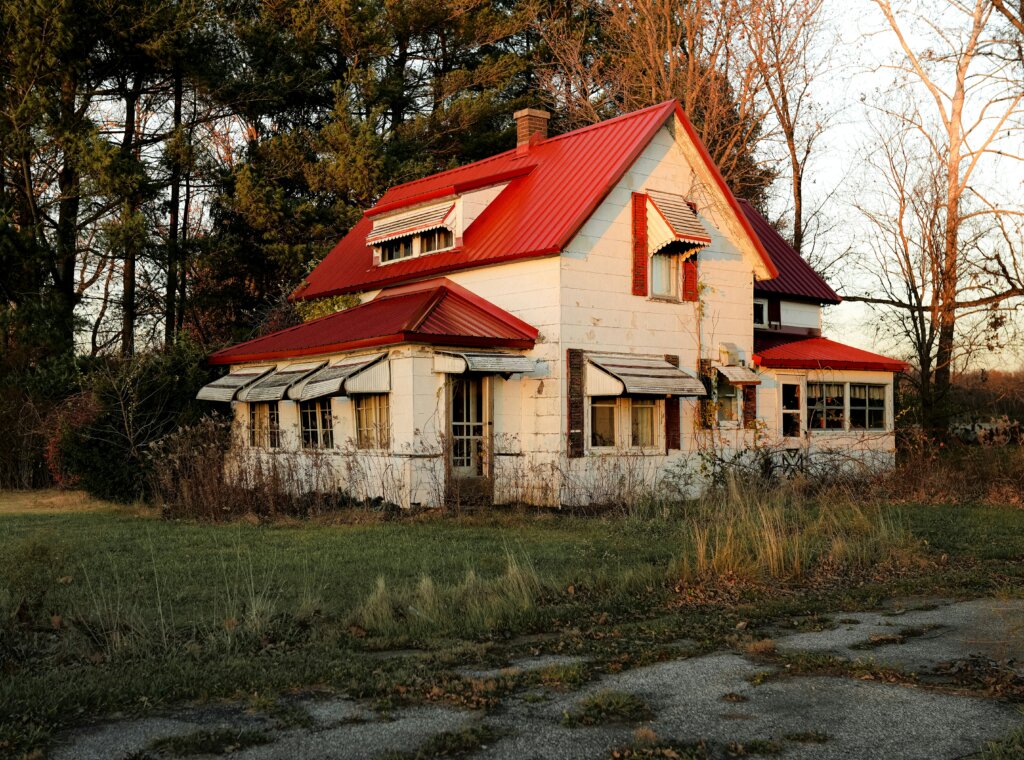
Selling an abandoned house for cash — rather than attempting a traditional sale — offers several advantages. For many homeowners, this path provides a way out of the lingering burden quickly and cleanly.
Advantages of Selling for Cash
| Benefit | What It Means for You |
|---|---|
| Speed | Cash sales can often close in 7–14 days, compared to 30–60+ days for traditional sales. |
| Sell “As‑Is” | You don’t need to make any repairs or renovations. Cash buyers will accept the property in its current condition. |
| No Financing Contingencies | Cash buyers aren’t dependent on bank loans, so there’s no risk of financing falling through at last minute. |
| Avoid Holding Costs | No more taxes, utilities, maintenance, or liability costs — the responsibility transfers once you sell. |
| Simplicity & Certainty | The process tends to be simple, direct, and without the complexity of multiple showings or buyer contingencies. |
When Cash Offers Make the Most Sense
Cash offers tend to be the best fit when:
- The property has been abandoned for an extended period.
- The house needs major repairs (structural, utilities, code compliance, etc.).
- The owner wants a fast sale — perhaps to avoid foreclosure, stop paying taxes or insurance, or free up capital.
- The owner doesn’t want the hassle of listing, repairs, open houses, or negotiating with traditional buyers.
In short — if your abandoned property feels more like a liability than an asset, a cash sale could be the smartest path forward.
Legal Considerations: Abandoned Property & Ownership in California
Before you attempt to sell an abandoned home, it’s important to understand how abandoned-property law works in California.
Ownership & Legal Status
- A house becomes abandoned when the occupants vacate and fail to maintain or occupy it — but that doesn’t mean ownership disappears. The legal owner on record (or lender/foreclosure entity) typically retains title until a formal transfer.
- In many cases, “vacant property rules” or local ordinances may apply — especially if the home becomes a nuisance (code violations, overgrown yard, unsecured entry, vandalism risk, etc.).
For more details about California’s vacant property laws, check out California’s Abandoned Property Law (Civil Code §1951.3).
Risks of Leaving a Property Vacant
Letting a property sit abandoned carries serious risks and costs:
- Deterioration: Without upkeep, structures degrade — roof leaks, mold, pests, structural damage can worsen over time.
- Liability / Legal Penalties: Owners remain responsible for taxes, maintenance, and ensuring the property doesn’t become a public hazard. If a vacant house violates local codes, fines or enforcement actions may apply.
- Devaluation: Vacant homes lose value faster than occupied ones.
- Security Risks: Vacant properties may attract squatters, vandalism, theft, or other unwanted activity.
Because of these risks, transferring ownership — via sale — swiftly is often in the owner’s best interest.
How to Sell Your Abandoned Property for Cash — Step by Step
If you decide that a cash sale is right for you, here’s a step-by-step breakdown of what to do.
Step 1: Evaluate Your Property’s Condition
Begin by inspecting the property — or hiring a professional to do so — to understand what issues exist. Key areas to check:
- Structural integrity (foundation, walls, roof)
- Utilities (water, electricity, gas)
- Plumbing, wiring, HVAC systems
- Doors, windows, locks, and security points
- Exterior — landscaping, roofing, siding, yard maintenance
- Evidence of pests, mold, water damage, or vandalism
This evaluation will help you set realistic expectations for cash offers and highlight items a buyer will likely factor in when calculating their offer.
Step 2: Research and Find Legitimate Cash Buyers
When dealing with abandoned properties, it’s important to vet cash buyers carefully. Here’s how:
- Look for buyers with proven experience in buying vacant, distressed, or abandoned homes.
- Ask for proof of funds (so they truly have cash available).
- Check reviews, references, and — if possible — past sales of similar properties.
- Confirm that they offer a written “as‑is” purchase agreement, without requiring you to make repairs.
- Be cautious of buyers who pressure you for immediate acceptance or don’t transparently discuss costs, closing timeline, or contingencies.
Step 3: Request and Compare Cash Offers
Once you’ve identified potential buyers, request offers. It’s wise to get multiple offers — this helps ensure fairness and gives you bargaining power.
When comparing offers, consider:
- Net cash to you after closing costs and fees
- Closing timeline — how quickly the buyer can close
- Who pays for closing costs (sometimes buyer covers, sometimes seller or split)
- Whether the offer is truly “as‑is” — no strings, repairs, or additional costs
- Any contingencies or special conditions (e.g. proof of funds, inspections, clear title)
If an offer seems too low or has ambiguous terms, don’t hesitate to request clarification or look elsewhere.
Step 4: Agree, Sign, and Start the Closing Process
Once you accept an offer, the closing process for a cash sale is usually simpler than a traditional sale. Benefits often include:
- Fewer contingencies (no mortgage approvals, no appraisals required)
- Faster closing — often within a couple of weeks.
- No requirement for repairs or updates before sale — since you’re selling “as-is.”
Still, it’s important to ensure the title is clear (no unresolved liens), and that all paperwork — including deed transfer, closing costs, disclosures — is properly handled.
For a comprehensive overview of how real‑estate closings work, see How Does Closing on a House Work? – Zillow.
Common Challenges & Pitfalls When Selling an Abandoned House for Cash
Selling a vacant or abandoned home for cash can seem like a perfect solution — but there are pitfalls. Being aware helps you avoid costly mistakes.
Underestimated Repair Costs & Hidden Problems
Abandoned properties often hide serious issues — structural damage, plumbing leaks, mold, pest infestation, vandalism — that lower the value significantly. Buyers factor this risk into their offers, meaning you may get less than expected.
Buyer Legitimacy & Scams
Not every “cash buyer” is trustworthy. Some may attempt to lowball, add hidden fees, or present unfair terms. Always verify credentials, ask for proof of funds, and get offers in writing. For more details on common real estate scams and how to protect yourself when selling, see How to Avoid Real Estate Scams – Bankrate.
Legal or Title Complications
If ownership is unclear (e.g. part of an estate, foreclosure, tax liens, code violations, probate issues), these can delay or derail a sale if not addressed properly.
Lower Sale Price Compared to Market Value
Because buyers take on risk (repairs, maintenance, vacancy), cash offers are often below what a fully renovated, occupied home might fetch on the open market. Sellers need to balance speed and convenience against potential resale value losses.
Local Regulations, Code Violations, and Possible Fines
Some local jurisdictions impose vacant-home or blight laws. If the property falls under such ordinances, issues like overgrown yards, unsecured entry, or visible neglect may attract fines or enforcement actions — which could complicate a sale.
How Much Can You Expect to Get for an Abandoned Property in Folsom, CA?
While every property is unique, several factors influence the cash offer you can expect:
- Property condition — cosmetic vs. major structural / system issues
- Location & neighborhood — proximity to amenities, neighborhood value, demand
- Size, age, and layout of the house
- Market conditions and local demand — supply/demand, nearby home sale comparables, investor interest
- Liens, taxes owed, outstanding mortgage or legal issues — these can reduce net offer or complicate closing
Because cash buyers factor in cost of repairs, carrying costs, and resale value, their offers tend to be conservative. If you want to understand how property values are estimated in real estate — including methods many cash buyers rely on — see How To Value Real Estate Investments – Investopedia.
How Long Does It Take to Sell an Abandoned Property for Cash?
Here’s a typical timeline when selling for cash — from first contact to closing:
| Stage | Typical Duration |
|---|---|
| Initial contact & property details shared | 1–3 days |
| Inspection / evaluation by buyer (if needed) | 1–5 days |
| Offer generation and acceptance | 1–3 days |
| Preparation of paperwork, title check, closing logistics | 3–7 days |
| Closing (funds transfer + deed signing) | 1 day |
Total time: Often 7–14 days — much faster than a traditional sale, which can stretch to 30–60+ days including loan approval, inspections, buyer contingencies, listing period, etc.
Frequently Asked Questions (FAQs)
Q: Can I sell an abandoned property if it has liens or unpaid taxes?
A: Yes — but you will need to disclose these to the buyer. Many cash buyers account for outstanding liens or taxes when calculating their offer. Full transparency is crucial; unresolved liens can delay or nullify a sale.
Q: Do I need to make repairs before selling?
A: Not necessarily. Many cash buyers purchase houses “as‑is,” meaning they accept the property in its current, potentially damaged condition. That’s one of the main advantages of a cash sale.
Q: Is selling for cash always less profitable than a traditional sale?
A: Potentially. Because buyers factor in repair costs, risk, and resale margins, cash offers tend to be lower than what a fully repaired, staged home might fetch on the open market. But for many sellers — especially those wanting speed, convenience, or to escape a burden — the trade-off is acceptable.
Q: How do I know a cash buyer is legitimate?
A: Ask for proof of funds, check their past history (reviews, testimonials), ensure they provide a written, detailed offer specifying all terms (closing costs, timeline, “as‑is” agreement, contingencies), and consult a real estate attorney or title company if needed.
Q: What legal issues should I be aware of in California when selling an abandoned property?
A: Because property remains under the owner’s name, California laws require that ownership and title be clearly established. If there are any liens, outstanding taxes, code violations, or other legal encumbrances, they must be resolved (or disclosed) before sale. Vacant‑property ordinances or local anti‑blight laws may also apply, so getting a clear title and documentation is critical.
Is Selling for Cash Always the Right Choice? — Pros & Cons
Pros
- Fast sale — avoids months of waiting
- Sell “as‑is” — no repairs, no staging, no cleanup
- Avoid holding costs: taxes, maintenance, utilities, insurance
- Certainty and simplicity — fewer contingencies, less paperwork
- Relief from burden of a neglected property
Cons / Trade‑offs
- Likely lower cash received compared to traditional sale after renovation
- Possible legal or title complications if liens, taxes, or estate issues exist
- Risk of unscrupulous buyers or lowball offers
- Less control over sale price (buyers negotiate for discount due to risk)
- Rarely suitable if property could be easily renovated and sold for higher market value
In many cases — especially when a home is severely neglected or you need to move quickly — the advantages outweigh the drawbacks. But for sellers expecting maximum return, a traditional sale (after renovation or cleanup) may offer higher profits — albeit with more time, cost, and effort.
Realistic Expectations & How to Prepare Before Selling
If you plan to list your abandoned property for cash, here are some key preparatory steps:
- Perform a self‑inspection (or hire an inspector). Know what you’re dealing with — structural issues, repairs, utilities, title status, liens.
- Gather relevant documents. Title deed, mortgage/loan history, tax records, any recent inspections, code notices, liens.
- Get multiple cash‑sale offers. Don’t settle for the first offer — shop around.
- Verify buyer credibility. Look for proof of funds, references, past deals.
- Be transparent. Disclose known issues, liens, code violations — hiding problems can derail the deal or lead to legal trouble.
- Understand the net cash amount. Confirm who pays closing costs, fees, and exactly how much you’ll receive.
- Consult a professional if needed. If there are liens, title issues, or legal complications (estate, foreclosure, tax liens), a real estate attorney or title company can help.
Conclusion
Owning an abandoned house — especially one in disrepair — can quickly become a drain. From maintenance costs, property taxes, code‑violation risks, to the stress and liability of leaving a home vacant, the burden adds up — often every single month it remains unsold.
If you’re based in Folsom, CA and find yourself stuck with an abandoned property, selling for cash offers a straightforward, efficient way out. For many homeowners, this option brings relief: no repairs, no wait, no costs — just a clean sale and the ability to move on.
That said, it’s important to go into the process with eyes open: expect a lower sale price than a fully renovated home, vet buyers carefully, and ensure all legal and title matters are settled.
If you value speed, convenience, certainty, and a clean break, a cash sale with Norcal Home Offer might be the best decision.