

Owning a distressed property — whether it’s damaged, in foreclosure, burdened with liens, or simply in need of major repairs — can be a huge stress. Between mounting maintenance costs, uncertain repairs, and the pressure of possibly losing the home to foreclosure or tax default, keeping a distressed property often becomes more of a liability than an asset.
If you’re in Stockton, CA, and you’re looking to get out quickly — without the headaches and long delays that come with traditional home‑sales — selling to a cash buyer can be a life‑changing solution. Selling for cash offers speed, convenience, and simplicity, allowing you to move on without investing in costly repairs or dealing with months of uncertainty.
In this article, we’ll explore exactly what it means to sell a distressed property for cash, why many homeowners in Stockton opt for this route, how the process works, what to watch out for, and how to get the best outcome.
What Is a “Distressed Property”?
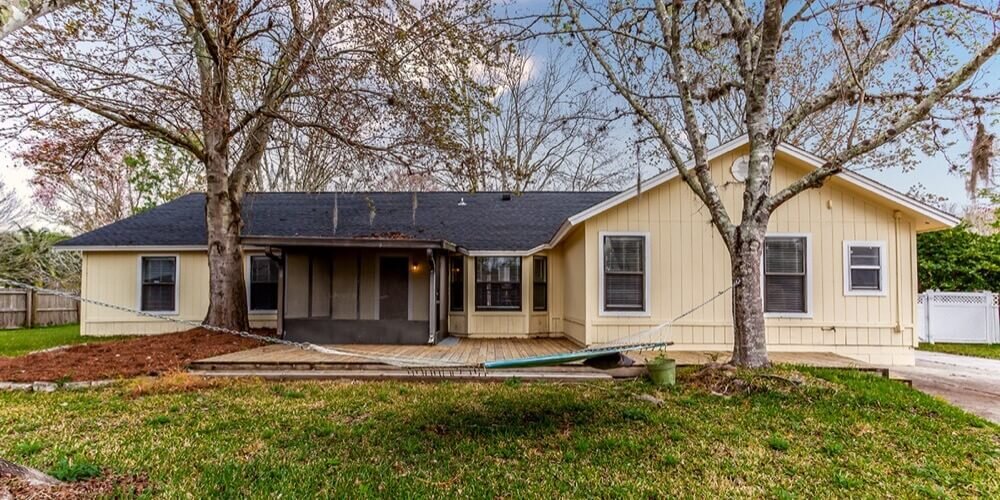
Before diving into the sale process, it’s important to define what a “distressed property” is — because that influences whether a cash sale makes sense.
A distressed property may be:
- Facing or close to foreclosure due to missed mortgage payments, tax liens, or other financial burdens.
- Severely neglected or in need of extensive repairs — structural issues, water damage, mold, outdated systems, code violations, or general disrepair that would make it hard to sell on the traditional market.
- Burdened by liens, unpaid taxes, judgments, or other legal/financial encumbrances.
- An inherited property, vacant home, or investment that owners no longer want to manage — especially if they live out of state or don’t want to invest in repair and maintenance.
In short: a distressed property is one that’s problematic — either financially, physically, or legally — and unlikely to sell easily on the conventional real‑estate market without major effort. For a detailed explanation of distressed properties, you can refer to this article from Investopedia on Distressed Sales.
For many property owners in Stockton dealing with hardship, relocation, inheritance, or just lack of resources for repairs, a cash‑buyer offer becomes a viable, sometimes the best, option.
Why Selling to a Cash Buyer Makes Sense — Especially for Distressed Properties
Speedy, Straightforward Sale
One of the biggest advantages of selling to a cash buyer is how fast the sale can happen. Because cash buyers don’t rely on bank financing, there’s no waiting for mortgage approval, underwriting, or appraisal contingencies. That means you can sometimes close in as little as 7–14 days, compared to 30+ days or months with a traditional sale.
For homeowners under pressure — foreclosure looming, needing to relocate, or simply wanting to avoid the carrying costs of a troubled home — that speed is often invaluable.
For more on the cash sale process and how it can benefit sellers, check out Bankrate’s guide on selling your home for cash.
Sell “As-Is” — No Repairs, No Renovations, No Stress
Cash buyers typically purchase homes in their current condition. That means no repairs, no cleanup, no expensive upgrades — even if the property has structural issues, damage, outdated systems, or code violations.
This is especially attractive if you don’t have the funds, time, or desire to invest in fixing the house before selling it. For distressed properties, that saves you both time and money.
Learn more about selling your home “as-is,” check out Bankrate’s Selling Your House As-Is guide.
Avoid Realtor Fees, Extra Costs & Holding Expenses
Traditional sales often come with real‑estate agent commissions (5–6% of sale price), closing costs, and sometimes more costs for staging, inspections, repairs, etc. With a cash sale, many of those fees may be avoided or minimized.
Plus — you don’t have to worry about ongoing maintenance, utility bills, property taxes, or other holding costs while waiting months for a sale.
Certainty and Reliability — Less Chance of Deal Fallout
With traditional buyers, deals sometimes fall apart due to financing issues, appraisal problems, buyer backing out, or inspection demands. Cash buyers remove many variables: no mortgage contingencies, no financing delays — so deals are often more secure.
For selling a distressed property — where uncertainty is already high — having a reliable, certain sale can be worth a slightly lower price.
Help With Complex Situations: Liens, Code Issues, Vacant or Inherited Properties
Cash buyers often specialize in properties with legal or financial complications — unpaid taxes, liens, judgments, code violations, or inheritance issues. They’re used to handling these complications, which many standard buyers would shy away from.
If you have a property burdened by legal or structural issues, traditional market buyers may either avoid it or offer very low, risky deals. A cash buyer might offer a solid, dependable solution.
How the Cash‑Sale Process Works (For Stockton, CA Sellers)
Here’s a step-by-step breakdown of how selling to a cash buyer generally works — and what you should expect.
| Step | What Happens | What You Should Do / Know |
|---|---|---|
| 1. Contact a Cash Buyer & Request a Quote | You reach out (call, website form, walk‑in) and provide basic info about your property — address, condition, reason for sale, any issues (repairs, liens, occupancy, etc.) | Be honest and upfront about condition & issues. The more accurate you are, the smoother the offer. |
| 2. Buyer Reviews Property & Offers Cash Price | Buyer assesses condition, comps in area, required repairs, legal/tax issues, likely resale value — then provides a written “as-is” cash offer | Evaluate the offer. Understand that price will be below ideal market value to account for risks & repairs. |
| 3. Review Offer & Terms (No-Obligation, Usually Free) | Offers are often presented without requirement to accept. You have time to review, ask questions, maybe negotiate terms. | Take your time. Compare with other options (traditional sale, listing, repairs, etc.). |
| 4. Accept Offer & Sign Agreement | Once agreed, you sign a purchase agreement / contract. Buyer often provides proof of funds before signing. | Ensure contract spells out sales price, “as-is” status, closing date, what’s included/excluded, any fees, who pays closing costs, etc. |
| 5. Title Search & Paperwork & Closing | A title search is done to check for liens or legal issues. Papers are drawn up, closing agents / title company handles documentation, funds are transferred. | Cooperate in providing any necessary documents. Expect a fast closing — often within 1–2 weeks if no major issues. |
| 6. Transfer Ownership & Get Paid | Once closing is done, ownership transfers to buyer; you receive payment — often cashier’s check or wire — and you can walk away without dealing with repairs, liens, or delay. | Make sure to get documentation confirming sale, and clear all obligations (taxes, mortgage payoff, lien releases) to avoid future issues. |
What You Gain vs What You Trade — Pros & Cons of Cash Sale
It’s not always a perfect solution. Selling to a cash buyer comes with trade‑offs. Here’s a balanced view.
Pros (Why Many Distressed‑Property Owners Choose Cash Buyers)
- Speed: Close in as little as 7–14 days instead of months.
- Convenience: Sell “as-is” — no repairs, no staging, no cleaning, no inspections, no showings.
- Certainty: Cash deals less likely to fall through due to financing or appraisal contingencies.
- Cost Savings: Avoid realtor commissions, closing cost surprises, repair and maintenance costs, holding costs.
- No Need for Perfect Condition or Clear Title: Even properties with liens, code violations, structural damage, or complicated histories can often be sold.
- Relief & Peace of Mind: If you’re tired of dealing with a problem property — financially, emotionally or legally — cash sale can give you a clean break.
Cons / Trade‑offs (What You Should Be Aware Of)
- Lower Sale Price: Cash buyers usually pay below retail value because they factor in repair costs, legal risk, resale potential.
- Less Exposure: Because you’re selling off-market (often directly to an investor), you miss out on competition among traditional buyers — meaning potentially higher offers.
- Need for Due Diligence: Not all cash buyers are legit. You must verify funds, check reputation, ensure transparency, and review the contract carefully.
- Legal/Liability Considerations: Even when selling “as-is,” you may still have obligations to disclose known defects, liens, encumbrances, or other issues.
- You Might Sacrifice Maximum Profit: If your property has real potential and you’re willing to invest in repairs and marketing, traditional sale might yield higher net proceeds — albeit with more time, effort, costs, and uncertainty.
When Selling for Cash Makes the Most Sense (Especially in Stockton)
Selling to a cash buyer isn’t ideal for every homeowner or every situation. But for many distressed-property owners — especially under certain circumstances — it’s very often the smartest option.
You might consider a cash sale if you are:
- Facing foreclosure, back taxes, mortgage delinquencies, or other financial stress where time is critical.
- Dealing with a property in poor condition — major repairs, structural issues, water damage, mold, outdated systems — and don’t have the resources or desire to renovate.
- Holding an inherited, vacant, or absentee‑owned property, possibly out of state, where you don’t want to manage maintenance or deal with updates and upkeep.
- In need of speed and certainty — relocation, job change, divorce, other life events where waiting months for a traditional sale is not feasible.
- Willing to trade potential maximum sale price for convenience, speed, and peace of mind.
If you checked any of these boxes — a cash sale could be the best path forward, especially for distressed properties in Stockton where local market conditions, carrying costs, and urgency often outweigh the advantages of a long marketing campaign.
How to Choose a Reputable Cash Buyer in Stockton
Because not all cash buyers are created equal, and some even operate unscrupulously, selecting a trustworthy buyer is critical. Here are steps to vet and choose wisely:
Due Diligence: Verify Buyer Credentials & Reputation
- Ask the buyer to provide proof of funds before you sign any agreement. Legit cash buyers (investors or companies) should have cash ready — not rely on financing. If they hesitate or delay, treat that as a red flag.
- Check reviews and testimonials — search online (Google, social media, forums) for past sellers’ experiences. Look for patterns: consistent pay‑outs, smooth closings, no last-minute surprises.
- Request references, past deals, before/after photos (if they renovate), and check whether the buyer has processed similar distressed properties locally.
Review All Contract Terms Carefully
- Ensure the agreement identifies the property by address, includes a detailed list of what is included/excluded (appliances, personal property, fixtures).
- Make sure the contract states clearly that it’s an “as‑is” purchase. But also note that “as‑is” doesn’t always mean “no liability” — some disclosures may still be required depending on local/state laws and the buyer’s policies.
- Confirm closing date, who pays closing costs, title search costs, and any fees. Transparent cash buyers will outline everything — unscrupulous ones may omit or obscure terms.
Ensure Proper Title Search & Legal Clearance
- A proper title search is essential to uncover any liens, back taxes, unpaid judgments, or other encumbrances. A cash buyer should either handle this or work with a title company/closing agent.
- If there are liens or unpaid taxes, ensure the buyer either clears them or agrees in writing to take on liability. Know exactly what you are selling and what remains your responsibility.
- If the property was inherited, or the owner has doubts about legal ownership, consider consulting a real estate attorney. Cash buyer deals are fast — but legal complications can cause major headaches.
Understand the Trade‑offs — Don’t Expect Retail Market Value
- Accept that cash offers will likely be below what a renovated, market‑ready home could fetch. That’s the trade-off for speed, convenience, and assuming risk and repair cost.
- Don’t expect multiple offers, bidding wars, or high margins. Cash buyers are investors — they are doing math: condition, repair costs, time, liability, resale potential.
Beware of Scams & High‑Pressure Tactics
- Avoid buyers who pressure you to sign immediately without reviewing the contract, skip title search, or ask for upfront “fees” or payment from you. Those are red flags often associated with unscrupulous buyers.
- Always require written offers and clear documentation. Verbal promises or vague agreements are not enough.
FAQs — Common Questions When Selling a Distressed Property for Cash
Q: How fast can I realistically close if I sell to a cash buyer in Stockton?
A: Many cash‑buyer transactions close in 7–14 days, though the exact timing depends on title search, paperwork, and whether there are liens or legal complications.
Q: Do I need to fix up the house or make it livable before selling “as‑is”?
A: No. Cash buyers typically purchase “as-is,” meaning they’ll take the property in its current state — even if it needs major repairs. That’s one of the main advantages.
Q: What about liens, unpaid taxes, or other property/title issues?
A: A reputable cash buyer will conduct a title search before closing. If there are liens or other issues, the buyer may agree to handle them — but that should be spelled out in writing. Always verify this in your contract.
Q: Will I get as much money as if I sold on the open market?
A: Probably not. Cash offers generally come at a discount compared to fully renovated, market‑ready homes sold via traditional listing. The tradeoff is speed, certainty, and convenience.
Q: How do I pick a good cash buyer?
A: Do your homework. Ask for proof of funds, check reviews, get clear written offer and contract, ensure title work, and confirm who pays all closing costs and any legal/tax issues.
Case Scenarios — When Cash Sale Makes Most Sense
Here are some common situations (especially in Stockton or similar areas) where selling a distressed property for cash can offer the most value:
- You inherited a property — maybe out-of-state, vacant, needing repairs. You don’t want to manage maintenance or invest in cleaning/renovation. Cash sale helps you liquidate quickly.
- Facing foreclosure or mortgage delinquency — urgency is high, and you want a guaranteed sale before things worsen.
- Extensive structural or water damage / code violations / neglected maintenance — traditional buyers likely won’t touch it without requiring repair; cash buyers handle “as-is.”
- Owning a vacant or abandoned property — exposure to vandalism, theft, or squatters. Selling quickly reduces risk and ongoing costs.
- Need to relocate fast — new job, divorce, family issues, or sudden life changes. Cash sale gives flexibility and speed.
For many homeowners in these situations, the peace of mind, simplicity, and quick resolution outweigh the difference in sale price.
What You Should Do Before You Accept a Cash Offer
Before signing anything, make sure you:
- Get multiple offers (if possible). It helps you gauge the market value and gives you leverage.
- Require proof of funds from the buyer. Legit investors will show bank statements or other proof they have cash ready.
- Review the contract carefully. Make sure “as-is,” closing costs, title transfer, what’s included (appliances, fixtures), and date are clearly outlined.
- Ensure clear title & lien status. A title search should be part of the process to reveal any encumbrances or tax/ mortgage liens.
- Be cautious about scams and high‑pressure tactics. Don’t sign under pressure, don’t pay anything upfront (buyers should pay you), and don’t skip due diligence.
- Understand the trade-offs. Recognize that cash buyers pay less — you’re paying for convenience, speed, and certainty, not maximum profit.
Conclusion
If you own a distressed property in Stockton — whether due to financial stress, structural damage, inheritance, liens, or simply lack of time or desire to fix it up — selling to a cash buyer like Norcal Home Offer can be a smart, efficient, and low‑stress solution.
The speed, convenience, ability to sell “as-is,” and avoidance of realtor fees or long waiting periods make cash sales particularly well suited to troubled homes. While you may not get full market value, the trade‑off is often worth it for many homeowners.
However — as with any major decision — it’s critical to do your homework. Check the buyer’s credentials, review contracts carefully, demand transparency, and ensure titles and liens are cleared properly. When handled right, a cash sale of a distressed property can offer you a clean break and a fresh start — effectively turning a stressful burden into a fast, certain sale. With Norcal Home Offer, you can trust that your sale will be handled professionally, quickly, and with the utmost care.